1. 주말부부 (Weekend married couple)


주말 means weekend while 부부 stands for a married couple.
Can you guess what “weekend married couple” means? As you might have guessed, this phrase refers to a married couple who get to see each other only on the weekends. This may happen if the couple works in two different cities, or if a mother wants to raise her kids where there are better schools.
This term can also be used as a verb. For example, you could say, “나 어릴 때 우리 부모님은 주말부부 하셨어,” meaning, “when I was little, my parents 주말부부ed.”
2. 기러기 아빠 (Wild goose father)


기러기 is wild geese while 아빠 is dad. “Wild goose dad” means a dad who is supporting his family while they live abroad.
Families sometimes send their kids overseas to English speaking countries so that they can get more opportunities and different education. Sometimes moms go with their kids to take care of them while the dads stay in Korea to support them. Unfortunately, this might lead to family issues and even social problems.
So, “기러기 아빠” or “wild goose dad” is often used in newspapers, too.
3. 엄빠 (Umpa = Umma + Papa)


These days GenZs shorten every word possible, and “엄빠” is just one of them. 엄 refers to 엄마 (Mom) and obviously 빠 is from the word 아빠.
So, when put together, it means “mama and papa.” Young people tend to casually use this word instead of “부모님 (parents).”
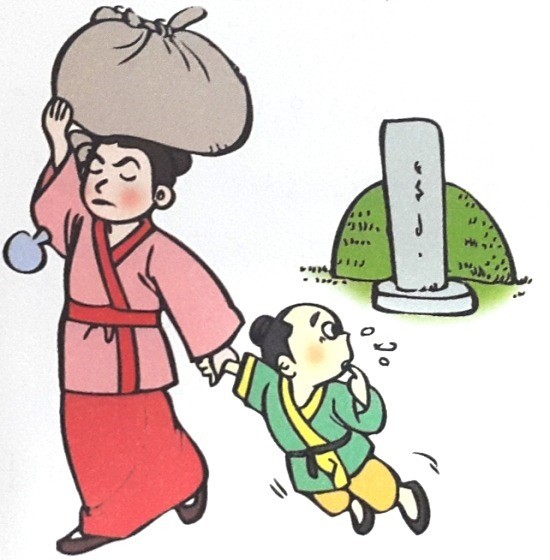
4. 맹자 엄마 (Mencius’s mom)


Mencius is one of the greatest Confucian philosophers in China. It has been said that his mother moved over 3,000 times to find him the best education possible.
So, moms who are super enthusiastic about their kids’ education are called as “Mencius’s Mom.” 

